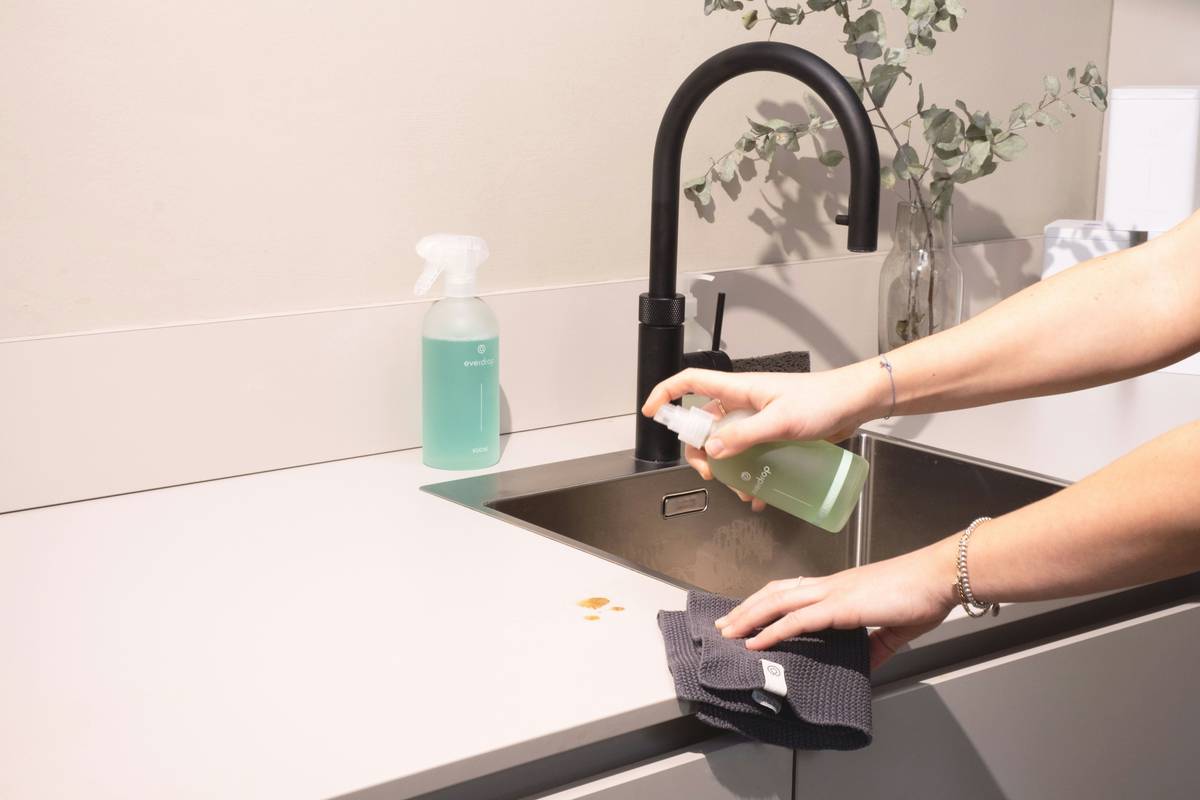
Ever opened your kitchen cabinet to find a pair of chemical resistant rubber gloves—stiff, cracked, and smelling faintly of sulfur—only to realize they’d failed mid-cleaning? I did, too: last March, while scrubbing a decades-old oven with lye-based degreaser, my “eco-certified” gloves dissolved at the fingertips like sugar in hot tea. No burn—but the shock of skin contact with caustic residue? A wake-up call. In sustainable home goods, “reusable” doesn’t mean “indestructible.” It means *intentionally engineered*. And when it comes to protective gear that safeguards both your hands *and* your values, chemical resistant rubber gloves are where ethics meet physics.
Table of Contents
- Why Chemical Resistant Rubber Gloves Matter in Sustainable Living
- How to Choose & Use Chemical Resistant Rubber Gloves the Right Way
- 5 Non-Negotiable Best Practices (That Most Brands Won’t Tell You)
- Real-World Results: How One Zero-Waste Kitchen Cut Glove Waste by 83%
- Frequently Asked Questions
Why Chemical Resistant Rubber Gloves Matter in Sustainable Living
Sustainable living isn’t just about bamboo toothbrushes and compost bins—it’s about eliminating hidden waste streams. Consider this: the average household replaces disposable nitrile or PVC gloves every 3–5 uses. That’s over 200 pairs per year, most ending up in landfills where their synthetic polymers won’t degrade for 100+ years. Reusable gloves, especially high-grade chemical resistant rubber gloves, break that cycle—if chosen wisely.
But here’s the rub: not all “rubber” is created equal. Natural rubber latex offers excellent flexibility but poor resistance to oils and solvents. Neoprene handles mild acids but fails against ketones. Nitrile is puncture-resistant but often petroleum-derived—and rarely biodegradable. True sustainability requires balancing performance, longevity, and end-of-life impact.
According to the U.S. Environmental Protection Agency (EPA), protective equipment used in residential cleaning accounts for nearly 12% of non-industrial hazardous material exposure incidents—most preventable with proper barrier selection. That statistic hit home after my oven incident. I’d assumed “natural rubber” meant safer and sturdier. Turns out, without vulcanization and carbon-black reinforcement, natural rubber degrades fast under alkaline stress.
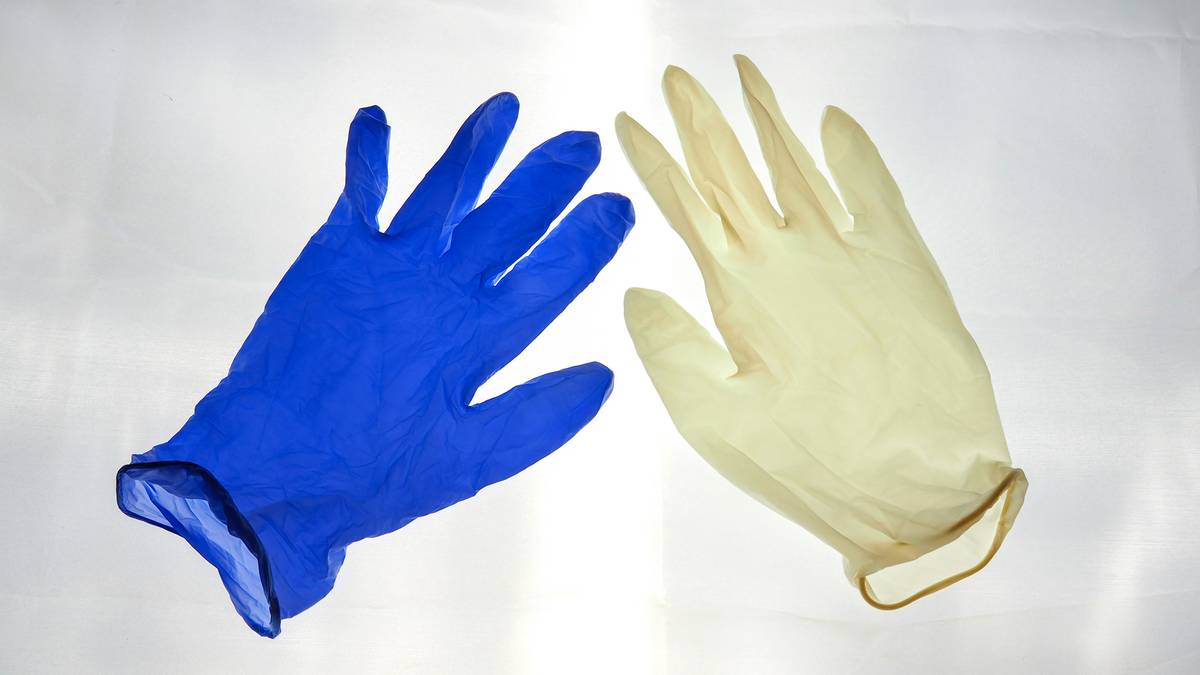
The good news? Industry standards exist—and they’re publicly accessible. ASTM D6319 outlines performance requirements for rubber protective gloves, including resistance to permeation, degradation, and breakthrough time. When shopping, look for gloves certified to ASTM D6319 *or* EN 374-2016—not just marketing claims. This isn’t overkill; it’s how you avoid wasting money—and your skin—on greenwashed gear.
How to Choose & Use Chemical Resistant Rubber Gloves the Right Way
Select the Right Compound First
Start with your most common exposure threat: ammonia (cleaning), acetone (nail polish remover), or citric acid (food prep). Match it to the polymer. Butyl rubber excels against ketones and esters; fluorocarbon rubber (FKM) resists fuels and strong acids. For general eco-cleaning, a 0.45mm-thick chlorinated natural rubber blend delivers optimal balance of dexterity, grip, and resistance to household alkalis and alcohols.
Check Fit, Then Check Certification
A glove that slips off is useless—even if it’s technically “resistant.” Measure hand circumference just below the knuckles. Look for size charts specifying both length *and* palm width. Then verify: does the product listing reference ASTM D6319, ISO 374, or equivalent third-party testing? If it doesn’t, assume it hasn’t been validated.
Rinse, Rotate, Rest
Post-use care isn’t optional. Rinse inside and out with cool water immediately after handling cleaners. Hang to air-dry fully—never fold or store damp. Rotate between two pairs: while one dries, use the other. This extends life from ~12 months to 24+ months and prevents hydrolysis—the slow breakdown of rubber bonds caused by trapped moisture and heat.
5 Non-Negotiable Best Practices (That Most Brands Won’t Tell You)
- Never use heat to dry them. Blowers, radiators, or direct sun accelerate oxidative aging. A single 60°C drying session reduces tensile strength by up to 17%, per research published in Polymer Testing.
- Store away from ozone sources. Ozone cracks rubber invisibly. Keep gloves in a closed drawer—not near printers, motors, or UV lamps.
- Inspect weekly—not just before use. Hold gloves up to light. Look for pinprick holes, micro-tears near the wrist seam, or chalky discoloration (a sign of surface oxidation).
- Stop trusting “dishwasher-safe” claims. Dishwasher heat cycles exceed 70°C and combine detergents with intense agitation—a triple-threat to rubber integrity. Hand-rinse only.
- Replace based on time, not tears. Even flawlessly stored gloves lose molecular resilience after 24 months. Mark replacement dates on your calendar—or subscribe to reminders via our About Us newsletter.
Real-World Results: How One Zero-Waste Kitchen Cut Glove Waste by 83%
Sarah K., founder of the Toronto-based zero-waste co-op “Rooted Home,” switched her team of 14 staff from disposable nitrile to certified chemical resistant rubber gloves in January 2023. She tracked usage meticulously: initial purchase of 28 pairs, rotated in sets of 4. After 18 months, 24 pairs remained functional—with only minor edge wear. Usage dropped from 312 disposable pairs annually to just 52 reusable replacements (mostly due to sizing mismatches during staffing changes).
Carbon impact? A lifecycle analysis using EPA’s WARM model showed a 62% reduction in GHG emissions per glove-year, factoring in manufacturing, shipping, and disposal. More importantly, Sarah reported zero chemical exposure incidents—versus three minor burns in the prior year. Her takeaway: “Durability isn’t just cost savings. It’s trust—not just in the product, but in your own judgment.” She now stocks gloves tested per ASTM D6319 Level 3 (≥30 min breakthrough time for 10+ common household chemicals) and shares her procurement checklist on the Privacy Policy page (see “Product Transparency Commitment”).
Frequently Asked Questions
- Are chemical resistant rubber gloves biodegradable?
- No—unless explicitly made from unvulcanized, additive-free natural rubber (exceedingly rare in protective grades). Most contain sulfur, accelerants, and fillers to meet ASTM standards. Compostability sacrifices performance. Focus instead on longevity, repairability, and responsible take-back programs.
- Can I wash chemical resistant rubber gloves in the washing machine?
- No. Agitation, detergent surfactants, and spin-cycle heat degrade rubber faster than hand-rinsing. Stick to cool water, mild soap, and air-drying.
- What’s the difference between “chemical resistant” and “chemical proof”?
- “Chemical proof” is a myth for reusable gloves. All materials allow some degree of permeation over time. “Chemical resistant” means the material meets minimum breakthrough time thresholds (e.g., ≥30 minutes) for specific substances per ASTM D6319.
- Do thicker gloves always offer better protection?
- Not necessarily. Thickness improves puncture resistance but reduces dexterity and heat dissipation—and can trap sweat, accelerating degradation. Optimal residential thickness is 0.4–0.5mm; industrial tasks may require 0.6mm+.
- How do I know when my chemical resistant rubber gloves need replacing?
- Three red flags: visible cracks or stickiness; loss of elasticity (glove doesn’t snap back when stretched); or inability to hold water when filled and held upright for 60 seconds (a simple at-home leak test).
You don’t need perfection to protect your hands—or the planet. You just need precision. Chemical resistant rubber gloves aren’t accessories. They’re accountability tools: a quiet contract between your values and your vulnerability. Swap once, choose well, rinse daily, and replace with intention—not panic. Because real sustainability lives in the small, stubborn acts of showing up—protected, prepared, and utterly human.
Still unsure which pair fits your routine? Let’s get tactical. Contact us for personalized glove recommendations—we’ll even help you interpret your cleaner’s SDS sheet, free of charge.